
Spinal Stenosis: What It Is and How to Treat It
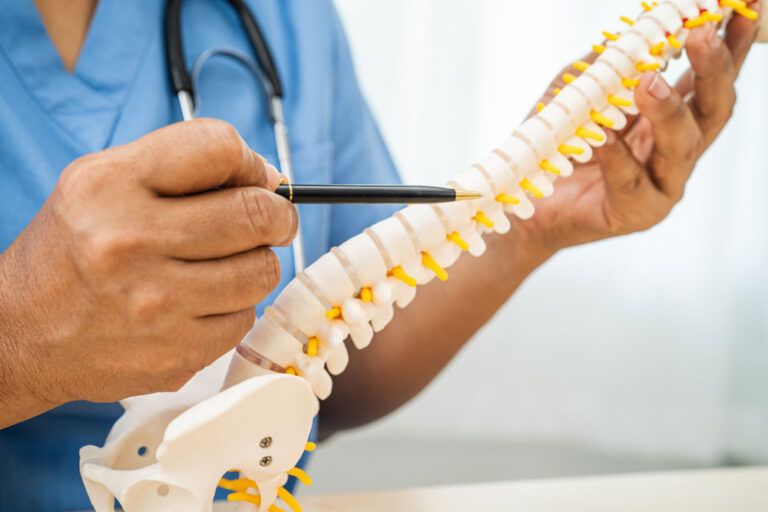
Spinal stenosis is a condition characterized by the narrowing of spaces within the spine, which can place pressure on the spinal cord and surrounding nerves. At Delaware Valley Pain & Spine Institute, patients in Chalfont, PA, Marlton, NJ, and Trevose, PA often seek guidance on managing this condition, which most commonly affects the lower back (lumbar spine) and neck (cervical spine). The narrowing is typically caused by age-related changes such as osteoarthritis, thickened ligaments, or herniated discs, though it can also result from injury or congenital factors.
As the spinal canal tightens, nerve compression can lead to a range of symptoms that vary in severity. Some individuals may experience mild discomfort, while others face significant limitations in mobility and quality of life. Understanding the root cause of spinal stenosis is essential for determining the most effective treatment strategy and preventing further progression.
Common Symptoms and Diagnosis
The symptoms of spinal stenosis often develop gradually and may worsen over time. In lumbar spinal stenosis, patients frequently report lower back pain, numbness, tingling, or weakness in the legs, especially when standing or walking for extended periods. Cervical spinal stenosis, on the other hand, can cause neck pain, balance issues, and even coordination difficulties in more advanced cases.
Diagnosis typically involves a combination of physical examination, medical history review, and imaging tests such as MRI or CT scans. These tools help identify the location and severity of the narrowing. Because spinal stenosis can overlap with other conditions involving Nerve Pain, an accurate diagnosis is crucial to ensure appropriate and targeted care.
Treatment Options for Relief
Treatment for spinal stenosis ranges from conservative approaches to minimally invasive procedures, depending on symptom severity. Early-stage management often includes physical therapy, activity modification, and anti-inflammatory medications to reduce pain and improve flexibility. However, when these measures are insufficient, more advanced interventions may be considered.
Some commonly used interventional treatments include:
-
Lumbar Transforaminal Epidural Steroid Injection to reduce inflammation around compressed nerves
-
Neuromodulation techniques that alter pain signaling pathways
-
The Spinal Stenosis Vertiflex Device as a minimally invasive option to relieve pressure in the lumbar spine
These treatments aim to alleviate discomfort, restore function, and delay or avoid the need for more invasive surgical procedures. Each option is tailored to the individual’s condition and overall health status.
Living Well with Spinal Stenosis
While spinal stenosis is often a chronic condition, many individuals can successfully manage their symptoms and maintain an active lifestyle. Regular exercise, proper posture, and weight management play key roles in reducing strain on the spine. Low-impact activities such as swimming or walking can help strengthen supporting muscles without exacerbating symptoms.
Education and early intervention are equally important. Recognizing symptoms early and seeking professional evaluation can prevent worsening nerve compression and long-term complications. With the right combination of treatments and lifestyle adjustments, individuals can regain mobility and improve their overall quality of life.
At Delaware Valley Pain & Spine Institute, individuals in Chalfont, PA, Marlton, NJ, and Trevose, PA can better understand spinal stenosis and explore ways to manage its effects through informed, patient-centered care.
Resources
Kreiner, D. S., et al. (2013). An Evidence-Based Clinical Guideline for the Diagnosis and Treatment of Lumbar Spinal Stenosis. The Spine Journal.
Genevay, S., & Atlas, S. J. (2010). Lumbar Spinal Stenosis. Best Practice & Research Clinical Rheumatology.
Katz, J. N., & Harris, M. B. (2008). Clinical Practice: Lumbar Spinal Stenosis. New England Journal of Medicine.

Recent Comments