
Sciatica: Symptoms, Causes, and Effective Treatments
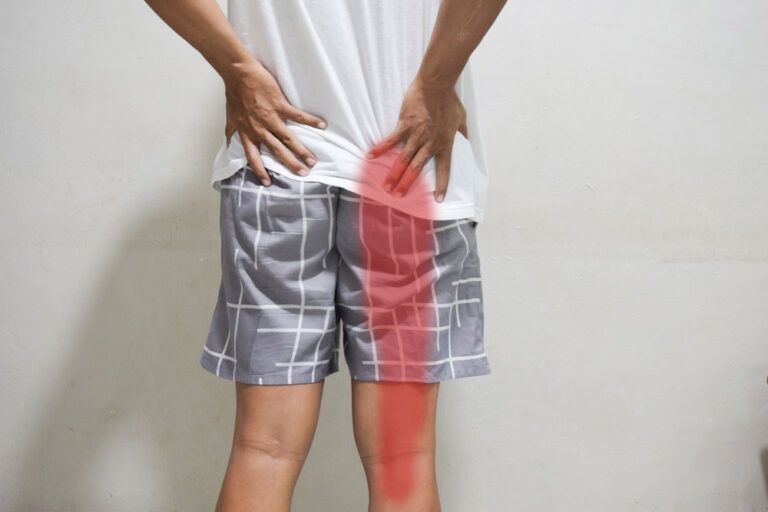
Sciatica is a condition that occurs when the sciatic nerve—the longest nerve in the body—becomes irritated or compressed, leading to pain that radiates from the lower back down through the hips and legs. At Delaware Valley Pain & Spine Institute, individuals in Chalfont, PA, Marlton, NJ, and Trevose, PA often seek information about sciatica due to its disruptive impact on daily life. While sciatica itself is not a diagnosis, it is a symptom of an underlying issue affecting the spine.
Common causes include herniated discs, bone spurs, or spinal conditions such as narrowing of the spinal canal. These issues place pressure on the nerve roots that form the sciatic nerve, resulting in discomfort that can range from mild to severe. Understanding the origin of sciatic nerve irritation is essential for choosing the most appropriate treatment approach.
Recognizing Symptoms of Sciatica
Sciatica symptoms typically affect only one side of the body and can vary widely in intensity. Many people describe a sharp, shooting pain that travels from the lower back into the buttock and down the leg. Others may experience burning sensations, tingling, numbness, or muscle weakness, all of which can interfere with movement and daily activities.
Symptoms often worsen with prolonged sitting, sudden movements, or activities that strain the lower back. Because sciatica is closely associated with conditions involving Nerve Pain, it is important to distinguish it from other types of back pain. Proper diagnosis ensures that treatment addresses the underlying cause rather than just masking the symptoms.
Causes and Risk Factors
Sciatica most commonly develops due to structural issues within the spine that compress or irritate the nerve. Herniated or bulging discs are among the leading causes, as they can press directly on nearby nerve roots. Degenerative conditions such as arthritis may also contribute by narrowing the spaces where nerves travel.
Several risk factors can increase the likelihood of developing sciatica, including age-related spinal changes, prolonged sitting, obesity, and occupations that involve heavy lifting or repetitive motions. Additionally, individuals with chronic lower back issues may be more susceptible. Addressing these contributing factors can play a significant role in both treatment and prevention.
Effective Treatment Options
Treatment for sciatica typically begins with conservative methods aimed at reducing inflammation and relieving pressure on the nerve. These may include physical therapy, stretching exercises, and over-the-counter medications. However, when symptoms persist or become severe, more advanced options may be considered.
Some commonly utilized interventional treatments include:
-
Lumbar Transforaminal Epidural Steroid Injection to target inflammation at the nerve root
-
Lumbar Radiofrequency Ablation to disrupt pain signals from affected nerves
-
Spinal Cord Stimulator Trial to evaluate the effectiveness of nerve stimulation in managing chronic pain
These approaches are designed to reduce pain, improve mobility, and help individuals return to their normal routines without relying solely on medication. Treatment plans are typically personalized based on the severity and cause of the condition.
Living with Sciatica and Prevention Tips
Managing sciatica involves a combination of treatment and lifestyle adjustments. Maintaining proper posture, staying active, and strengthening core muscles can significantly reduce strain on the spine. Simple changes, such as using ergonomic seating and avoiding prolonged sitting, can also help prevent flare-ups.
Early intervention is key to preventing complications and chronic discomfort. Recognizing symptoms and seeking evaluation promptly can make a substantial difference in recovery outcomes. With the right care and preventive strategies, many individuals are able to effectively manage sciatica and maintain a high quality of life.
At Delaware Valley Pain & Spine Institute, patients in Chalfont, PA, Marlton, NJ, and Trevose, PA can gain a better understanding of sciatica and explore effective ways to address its symptoms and underlying causes.
Resources
Davis, D., & Vasudevan, A. (2014). Sciatica: A Review of History, Epidemiology, Pathogenesis, and the Role of Epidural Steroid Injection in Management. British Journal of Anaesthesia.
Stafford, M. A., Peng, P., & Hill, D. A. (2007). Sciatica: A Review of History, Epidemiology, Pathogenesis, and the Role of Epidural Steroid Injection in Management. British Journal of Anaesthesia.
Valat, J. P., Genevay, S., Marty, M., Rozenberg, S., & Koes, B. (2010). Sciatica. Best Practice & Research Clinical Rheumatology.

Recent Comments