
Understanding Peripheral Neuropathy and Its Impact on Daily Life
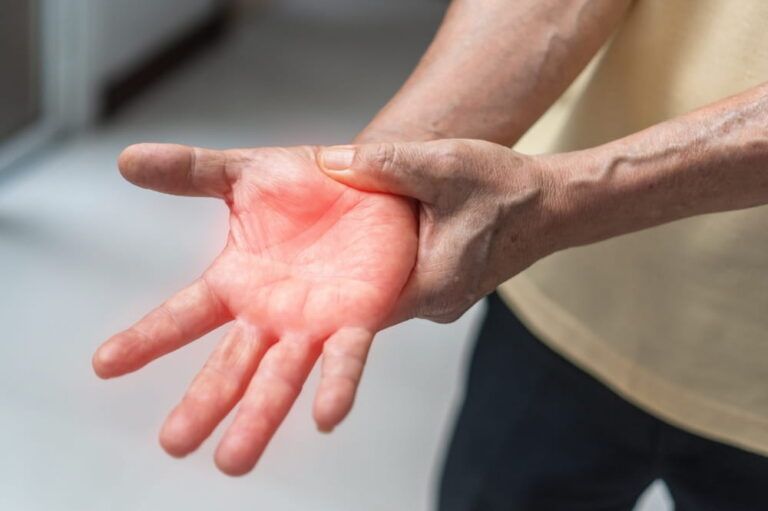
Peripheral neuropathy is a condition that occurs when nerves outside of the brain and spinal cord become damaged or irritated. These peripheral nerves help communicate information between the central nervous system and the rest of the body, including the hands, feet, arms, and legs. When these nerves do not function properly, individuals may experience changes in sensation, movement, and overall comfort.
At Delaware Valley Pain & Spine Institute, serving communities in Chadds Ford, PA, Marlton, NJ, and Trevose, PA, understanding conditions that affect nerve health is an important part of recognizing how pain can influence everyday activities. Peripheral neuropathy can develop gradually or appear suddenly, depending on the underlying cause. Common symptoms may include numbness, tingling, burning sensations, sensitivity to touch, weakness, or sharp nerve-related pain.
Common Causes and Symptoms of Peripheral Neuropathy
Peripheral neuropathy can result from several different health conditions, injuries, or lifestyle factors. Diabetes is one of the most common causes, as elevated blood sugar levels over time can damage nerves. Other possible contributors include certain medications, vitamin deficiencies, autoimmune conditions, infections, injuries, and problems affecting nerve circulation.
The symptoms of peripheral neuropathy can vary widely from person to person. Some individuals may notice mild tingling in their toes, while others experience persistent discomfort that interferes with sleep, mobility, or daily routines. Common experiences include:
- Burning, stabbing, or electric-like sensations in affected areas
- Loss of balance due to reduced sensation in the feet
- Difficulty with fine motor tasks, such as buttoning clothing
- Increased sensitivity to pressure, temperature, or touch
Understanding these symptoms early can help individuals seek appropriate medical guidance and learn about options for managing nerve discomfort, including educational information about nerve pain and related chronic pain conditions.
How Peripheral Neuropathy Affects Daily Life
Living with peripheral neuropathy can create challenges that extend beyond physical discomfort. Nerve symptoms may make routine activities more difficult, such as walking, exercising, driving, or completing household tasks. Reduced sensation in the feet or hands may also increase the risk of injuries because individuals may not notice cuts, burns, or pressure-related problems.
The emotional impact of ongoing nerve symptoms can also be significant. Chronic discomfort may contribute to frustration, sleep disruptions, stress, and changes in quality of life. Conditions involving persistent nerve-related symptoms can overlap with broader concerns related to chronic pain syndrome and may require a comprehensive approach to understanding the physical and emotional effects of long-term pain.
Diagnosis and Managing Peripheral Neuropathy
Diagnosing peripheral neuropathy typically involves reviewing symptoms, medical history, and physical examination findings. Healthcare professionals may use additional evaluations, such as nerve function testing or laboratory work, to better understand the possible cause of nerve changes. Identifying the source of neuropathy can help guide discussions about appropriate management strategies.
Management approaches often focus on reducing discomfort, improving function, and addressing contributing factors. Depending on the individual’s situation, care plans may include lifestyle adjustments, physical therapy, medications, or advanced approaches focused on nerve-related conditions. Treatments involving neuromodulation represent one area of ongoing interest in the management of certain chronic pain conditions by targeting nerve signaling pathways.
Moving Forward With Peripheral Neuropathy
Peripheral neuropathy can affect many areas of a person’s life, but understanding the condition is an important step toward improving daily function and comfort. Recognizing symptoms, learning about potential causes, and seeking professional guidance can help individuals make informed decisions about their health.
For those navigating nerve-related discomfort, Delaware Valley Pain & Spine Institute provides a context for learning more about pain conditions and their impact on quality of life in the communities of Chadds Ford, PA, Marlton, NJ, and Trevose, PA. Staying informed about peripheral neuropathy and available approaches can help individuals better understand their symptoms and work toward improved daily living.
Resources:
- Callaghan, B. C., Price, R. S., & Feldman, E. L. (2015). Distal Symmetric Polyneuropathy: A Review. JAMA.
- Stino, A. M., & Smith, A. G. (2017). Peripheral Neuropathy: Etiology, Diagnosis, and Treatment. Neurologic Clinics.
- Pop-Busui, R., Boulton, A. J. M., Feldman, E. L., et al. (2017). Diabetic Neuropathy: A Position Statement by the American Diabetes Association. Diabetes Care.

Recent Comments